
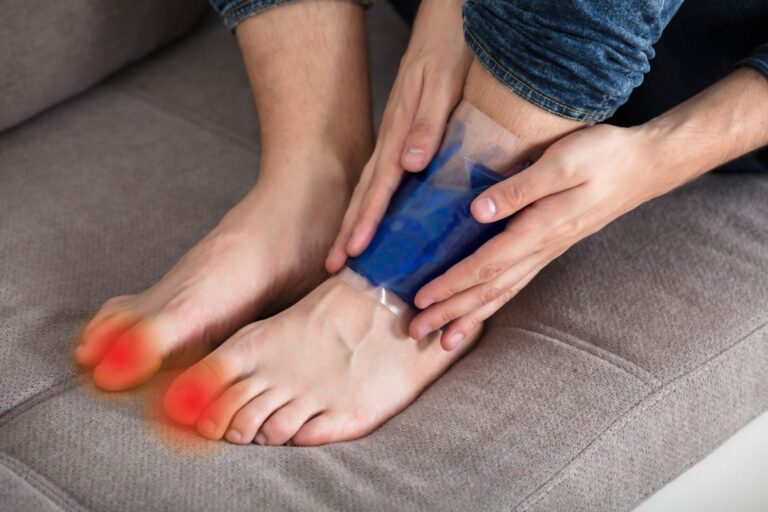
Gout is often described as a diet problem, but the real picture is wider. It is a form of inflammatory arthritis caused by uric acid crystals collecting in a joint. Food and drink can raise or lower uric acid, yet kidney function, body weight, alcohol use, genetics, dehydration, and some medicines all play a part.
That matters because patients often want a simple food rule when they may also need diagnosis, pain control, blood tests, or follow-up. As one example of how some of that follow-up now happens remotely, Medispress provides flat-fee telehealth visits with licensed U.S. clinicians via video appointments in our secure, HIPAA-compliant app. Clinicians make all clinical decisions. When clinically appropriate, providers may coordinate prescription options through partner pharmacies, subject to state regulations.
Why food matters, but not by itself
Gout develops when the body has more uric acid than it can clear. That extra uric acid can form sharp crystals in a joint, often in the big toe, ankle, knee, or midfoot. The result is sudden pain, swelling, warmth, and tenderness that can feel severe within hours.
Purines matter because the body breaks them down into uric acid. Some purines come from foods, especially certain meats and seafood. But the body also makes purines on its own, which is why even a careful diet may not fully control gout in someone with high genetic risk or reduced kidney function.
This is also why all-or-nothing food rules can frustrate patients. One person may notice clear triggers, while another still gets flares despite avoiding obvious problem foods. Diet helps, but it works best as part of a broader plan that looks at weight changes, hydration, alcohol intake, other illnesses, and regular medical review.
Foods and drinks are most often linked to higher uric acid levels

The strongest diet links are not the same for every patient, but a few patterns show up often. In most cases, the goal is not perfection. It is reducing the foods and drinks most likely to raise uric acid or trigger a flare.
- Organ meats such as liver, kidney, and sweetbreads are among the highest-purine foods.
- Some seafood, especially anchovies, sardines, mussels, scallops, and similar shellfish, can raise uric acid more than many other protein choices.
- Large servings of red meat can increase total purine intake, especially when eaten often.
- Beer and spirits are common problems. Alcohol can reduce the body’s ability to clear uric acid, and beer has added purine-related compounds.
- Sugary drinks, especially those sweetened with high-fructose corn syrup, can raise uric acid even without alcohol.
Portion size and frequency matter. A small amount of a higher-purine food may not affect everyone the same way, while repeated large portions often do. Heavy drinking, holiday meals, dehydration, and crash dieting can combine to make a flare more likely.
Patients who want a simple reference can use this overview of foods linked with gout flares to compare common triggers. Even then, it helps to track personal patterns rather than assume every item on a list will affect every person.
Foods that are usually less concerning
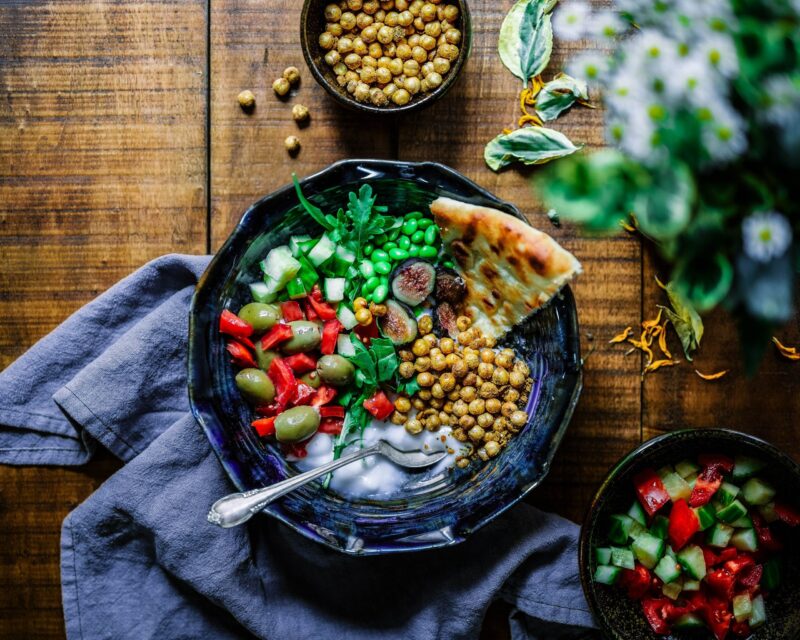
Many people with gout cut back too far and end up with a diet that is hard to maintain. In general, lower-fat dairy foods, eggs, nuts, whole grains, vegetables, and many plant proteins fit well into gout care. These choices can support weight control and heart health, which matter because gout often overlaps with high blood pressure, kidney disease, and metabolic problems.
Vegetables that contain purines do not seem to trigger gout in the same way as high-purine meats and seafood. That means most patients do not need to avoid beans, lentils, spinach, mushrooms, or cauliflower just because they have heard those foods mentioned online. The bigger concerns are usually alcohol, sweet drinks, and frequent large servings of animal protein.
Water also matters. Good hydration helps the kidneys clear uric acid and can lower the chance of dehydration-related flares. Gradual weight loss may help over time, but very rapid weight loss, fasting, or extreme low-carb plans can temporarily raise uric acid and make symptoms worse.
Some patients ask about cherries, vitamin C, or coffee. There is some evidence that these may help in certain cases, but they should be seen as small pieces of the picture, not as substitutes for treatment when gout is frequent or severe.
How does diet fit with medicines and long-term control
Food changes can reduce risk, but they do not replace treatment for everyone. If flares keep coming back, if uric acid stays high, or if a patient has kidney stones or firm deposits called tophi, clinicians may discuss medicine to lower uric acid over the long term. During an acute flare, the focus is usually pain and inflammation control.
That split is important. A flare needs one kind of treatment, while preventing future attacks may require another. Patients sometimes assume that once a painful episode settles, the problem is gone, but untreated high uric acid can continue to damage joints and tissues over time.
Medication review matters too. Certain diuretics and other drugs can affect uric acid levels. A clinician may also look at blood pressure, kidney function, and recent lab results before deciding whether food changes alone are enough or whether a longer-term plan is needed.
For many patients, the most realistic approach is simple: limit the major triggers, stay well hydrated, follow the treatment plan, and recheck when symptoms or circumstances change. That usually works better than trying to follow an overly strict “never eat” list.
When a painful joint needs prompt medical review

Not every hot, swollen joint is gout. Infection, injury, and other kinds of arthritis can look similar, especially during a first attack. A patient should seek prompt medical review if joint pain comes with fever, spreading redness, a wound, severe illness, or an inability to bear weight.
Urgent review also makes sense when the diagnosis is unclear, the pain is unusually severe, several joints are involved, or flares are happening more often. People with kidney disease, a history of stones, or a complicated medication list may need closer follow-up. Video visits can help with early assessment, but some cases still need in-person examination, joint fluid testing, or lab work.
The Bottom line
The most useful gout diet advice is usually the least dramatic. Focus first on the patterns that matter most: organ meats, some seafood, repeated large servings of red meat, beer and spirits, and sugary drinks. Keep the rest of the plan practical, because sustainable habits are more helpful than short bursts of strict avoidance.
Diet can lower risk, but it is only one part of gout care. For many people, lasting control also depends on diagnosis, medication decisions, kidney health, and regular follow-up when flares keep returning.
Medical disclaimer: This content is for informational purposes only and is not a substitute for professional medical advice.