
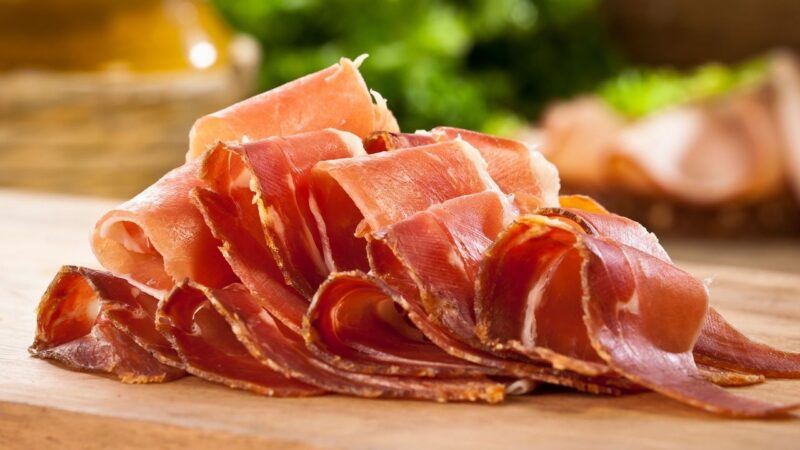
At a recent tasting session, we were passing around slices of prosciutto, debating different jamón varieties, when someone posed the question that stopped us mid-bite. Are cured meats healthy? It’s a fair concern in an age where health consciousness often clashes with our love for traditional foods. The answer, we discovered, is more nuanced than you might expect.
So, Are Cured Meats Healthy?
Traditional cured meats have sustained cultures for thousands of years. From protein and essential vitamins to surprising heart-healthy fats, they offer a nutritional profile that might challenge your assumptions. The key lies in understanding what’s inside, how they’re made, and how to enjoy them thoughtfully as part of a balanced diet.
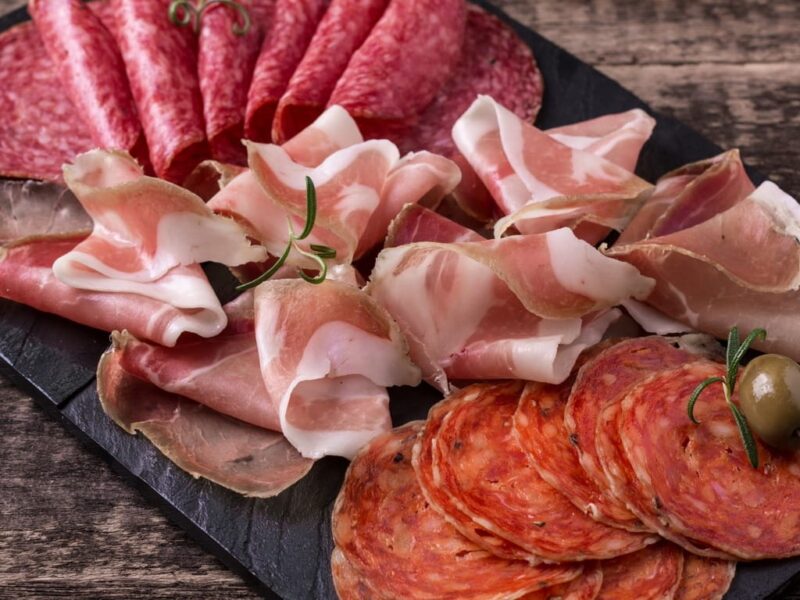
Cured meats—like prosciutto, salami, or even bacon – can be a nutritionally valuable part of a healthy diet, especially for their high protein content.
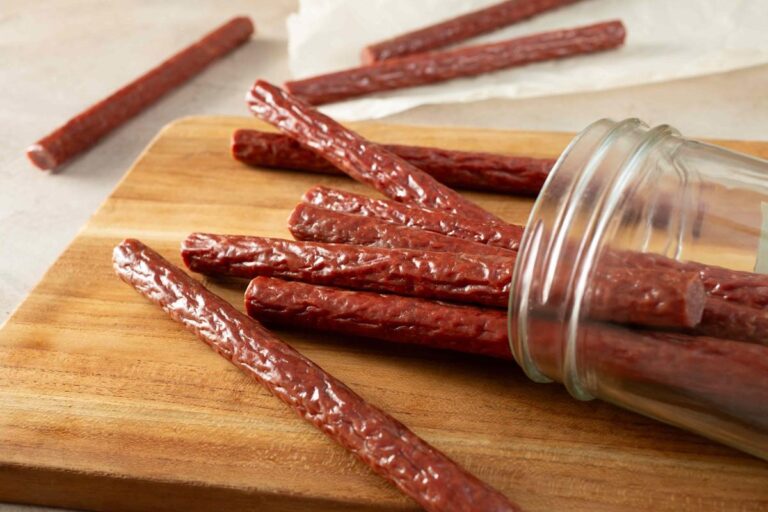
This macronutrient keeps us satisfied and supports everything from muscle maintenance to immune function. A single cup of beef jerky delivers 30 grams of protein, making it comparable to a small chicken breast or several eggs.
The curing process removes moisture while preserving the meat’s nutritional density. What you’re left with is a compact, nutrient-dense package containing all nine essential amino acids your body needs. For active individuals, busy professionals, or anyone seeking convenient nutrition, cured meats can be a healthy protein boost when chosen wisely.
Discover a Symphony of Essential Nutrients
Protein tells only part of the story. We’ve found that quality cured meats pack an impressive array of micronutrients that often go unrecognized. The slow aging and fermentation processes involved in artisanal curing can actually enhance the bioavailability of certain minerals, making them easier for your body to absorb and utilize.
B vitamins deserve particular attention. These water-soluble nutrients play crucial roles in energy metabolism, nervous system function, and red blood cell formation. Cured meats shine here. For example, Braunschweiger contains 238% of the daily recommended amount of B12, while pork salami contains 99% of the daily requirements. You’ll also find substantial amounts of zinc, which supports immune health, and iron in its highly absorbable heme form.
Finding Heart-Healthy Fats in Cured Meats
The assumption that all cured meats contain unhealthy fats deserves reconsideration. While it’s true that some varieties are high in saturated fat, other cured meats have a surprisingly healthy fatty acid profile. The quality of the source animal and its diet dramatically influence the final product’s nutritional composition.
Consider Jamón Ibérico, produced from acorn-fed pigs in Spain. This prized delicacy contains up to 55% oleic acid, the same monounsaturated fat that makes olive oil a cornerstone of heart-healthy Mediterranean diets.
When animals are raised on pasture or fed nutrient-rich diets, their meat reflects those benefits. Choosing high-quality, traditionally produced cured meats can align with mindful eating when you practice moderation.
What Science Says About the Nitrate Question
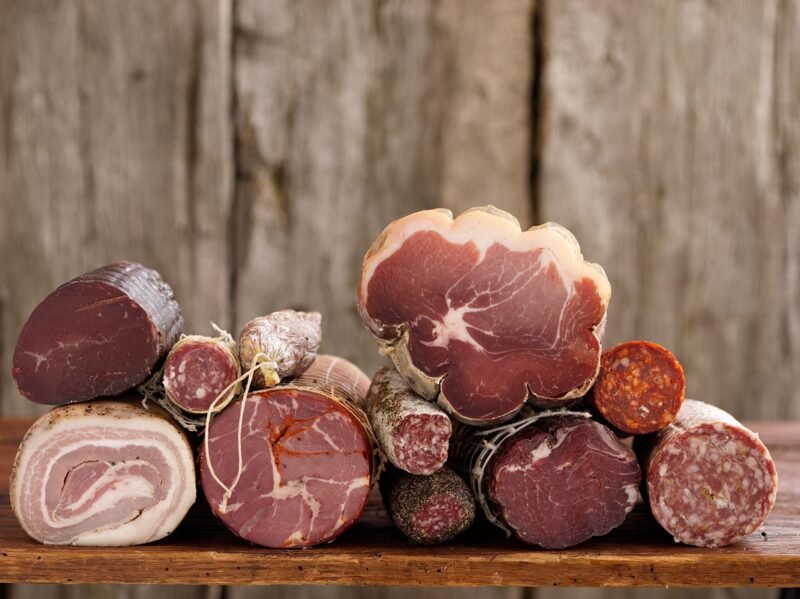
We understand the concern about nitrates and nitrites. These compounds are added to cured meats primarily for safety. They prevent the growth of harmful bacteria while also contributing to the characteristic pink color and savory flavor we associate with cured products.
Here’s what the science actually shows. Residual nitrite levels in properly cured meat measure between 0.00002% and 0.004%, extraordinarily low amounts by the time you consume them. The vast majority of added nitrite compounds break down harmlessly during the curing process itself.
For perspective, many vegetables naturally contain higher nitrate levels than cured meats. The key difference lies in processing methods and overall consumption patterns, which brings us back to the importance of moderation. Whether cured meats are healthy or not depends a lot on quality, portion size and how often you eat them.
Explore the Enduring Art of Traditional Curing
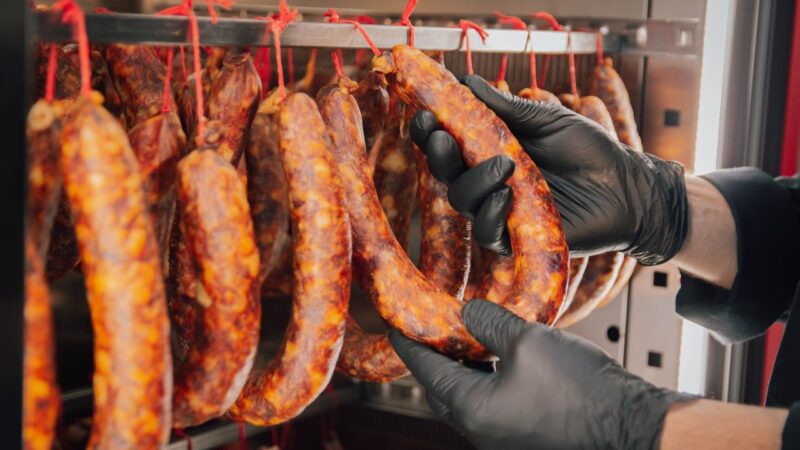
Understanding how these foods are made deepens your appreciation for both their cultural significance and nutritional value. The practice of preserving meat through salting, smoking and air-drying stretches back millennia. Indigenous peoples were crafting dried meat perhaps as long as 8,000 years ago, developing techniques that would sustain communities through harsh winters and long journeys.
These time-honored methods preserved meat while transforming it. They developed complex flavors through controlled fermentation and enzymatic breakdown. Modern artisans who honor these time-tested techniques create products that taste remarkable while maintaining nutritional integrity.
When you choose artisanal cured meats over mass-produced alternatives, you’re selecting foods crafted with patience and respect for the process.
Why the Curing Method Matters for Nutrition and Flavor
The distinction between slow, traditional curing and rapid industrial processing affects everything from taste to nutritional composition to how healthy cured meats are. Artisanal producers typically use simple ingredients like salt, time and controlled temperature. Industrial operations often rely on shortcuts, additives and accelerated timelines that can compromise both flavor development and nutrient retention.
Slow curing allows natural enzymes to break down proteins into smaller peptides and amino acids, creating depth of flavor that can’t be rushed. This gradual transformation also affects texture, fat distribution, and how your body processes the final product. You’ll notice the difference immediately when comparing a mass-produced product to one crafted using heritage methods.
How to Enjoy Cured Meats in a Balanced Diet
The key is incorporating cured meats thoughtfully into your diet. Moderation remains the guiding principle, along with attention to quality and sourcing. Here are practical approaches we’ve adopted:
- Treat them as flavor enhancers: Use small amounts of prosciutto or pancetta to enhance vegetables, grains and legumes, keeping portions modest.
- Choose quality over quantity: Invest in premium, minimally processed options from reputable producers who prioritize animal welfare and craftsmanship.
- Balance your plate: Pair cured meats with plenty of fresh vegetables, whole grains, and other nutrient-dense foods to create satisfying, well-rounded meals.
- Mind your portions: A serving size of one to two ounces delivers satisfying flavor and protein while keeping sodium and saturated fat intake reasonable.
- Read labels carefully: Look for products with short ingredient lists, recognizable components, and minimal additives beyond salt and traditional spices.
Celebrating Cured Meats With Confidence
Traditional cured meats occupy a unique place in culinary history and can certainly find a home in your balanced diet. The protein density, essential nutrients, and heart-healthy fats in quality varieties make them more than mere indulgences.
When you choose wisely and enjoy them in moderation alongside plenty of vegetables, whole foods and varied protein sources, cured meats can be a healthy addition to a thoughtful eating pattern. Your next charcuterie board can be both delicious and aligned with your health goals.