
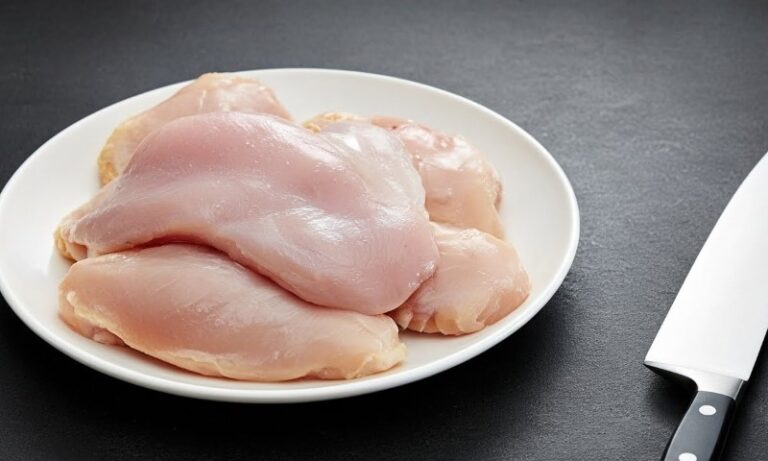
Chicken shows up in more home kitchens than almost any other protein, and that popularity comes with a quiet risk. Raw poultry can carry harmful bacteria, and when something goes wrong, it often goes wrong fast.
Knowing when chicken has crossed the line from usable to unsafe is not about being dramatic or overly cautious. It is about recognizing clear signals, respecting time and temperature, and avoiding common mistakes that send people to the bathroom or worse.
Food spoilage and food poisoning get lumped together in everyday talk, but they are not the same thing. Chicken can look and smell normal and still carry bacteria capable of making you sick.
On the other hand, like beef, chicken that has clearly spoiled often announces it loudly through smell, texture, and appearance. The challenge is knowing which signals matter most, and when guessing becomes a gamble you should not take.
Public health data puts real weight behind these decisions. Each year in the United States, an estimated 48 million people get sick from foodborne illness, with around 128,000 hospitalizations and 3,000 deaths.
Poultry-related bacteria play a major role. According to the CDC, Campylobacter alone is linked to about 1.5 million illnesses per year, and Salmonella causes roughly 1.35 million infections annually. Chicken is not the only source, but it remains one of the most common risk points at home.
Key Points
- Time and temperature matter more than smell or looks when deciding if chicken is safe to eat.
- Spoiled chicken usually signals trouble through strong odor, slimy texture, or obvious discoloration.
- Chicken can carry dangerous bacteria even when it appears normal and smells fine.
- When storage history feels uncertain, throwing chicken away is safer than guessing.
How to Tell If Chicken Is Bad Even When It Seems Fine
Spoilage happens when bacteria multiply to the point where they break down proteins and fats in the meat. That breakdown creates sensory changes that most people notice right away.
Common spoilage signs include:
- Sour, rotten, or ammonia-like smells
- Sticky, tacky, or slimy surfaces
- Unusual discoloration that looks clearly wrong
As bacterial numbers climb, chicken can darken, develop an objectionable odor, and feel slick or slimy to the touch.
Once spoilage reaches that stage, the meat is no longer acceptable to eat, even if cooking would kill the bacteria present.
Why Chicken That Makes You Sick Does Not Always Look Spoiled
Pathogenic bacteria behave differently. Some disease-causing germs do not produce noticeable smell, taste, or visual changes. Chicken can appear normal and still be unsafe because pathogens do not always announce themselves.
Health agencies consistently warn against relying on smell or taste as a safety check. A clean-looking chicken breast can still carry Salmonella or Campylobacter, especially if time and temperature rules were ignored earlier in storage or handling.
A Fast Decision Checklist
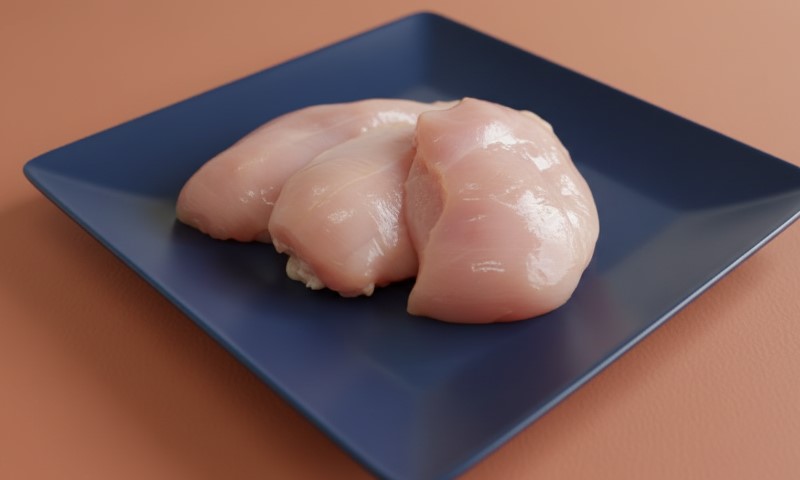
When hesitation creeps in, decision order matters. Starting with the wrong check leads to risky calls.
Step 1: Time and Temperature Rules Come First
FDA guidance is pretty clear. Discard chicken immediately if:
- It sat in the temperature danger zone between 40°F and 140°F for more than 2 hours
- It sat out for more than 1 hour when the air temperatures were above 90°F
- You cannot confirm how long it was unrefrigerated, such as food left out at a party or a delivery forgotten on a porch
Time abuse creates conditions where bacteria multiply quickly. Once that happens, no sniff test can undo the risk.
Step 2: Storage Time in the Refrigerator
Even a chicken that looks fine has a clock.
- Raw chicken or raw poultry parts: 1 to 2 days in the fridge
- Cooked chicken leftovers: 3 to 4 days
Step 3: Check Sensory Signs Only if the Time Rules Pass
Look at smell, texture, and appearance together. One signal alone can mislead. Several together paint a clearer picture.
Step 4: Never Taste to Decide
Tasting food to check safety is one of the most common mistakes at home. Even a small bite can carry enough bacteria to cause illness.
Clear Spoilage Signs in Raw Chicken
Raw chicken rarely goes bad quietly. When spoilage sets in, the meat usually gives clear physical signals that something has changed.
Paying attention to texture, smell, appearance, and packaging can save you from second-guessing later.
Texture Problems You Should Not Ignore
Fresh raw chicken feels moist but not slick. When spoilage sets in, texture changes fast.
Discard raw chicken if it feels:
- Slimy with a persistent film
- Sticky or tacky rather than simply wet
- Gummy or oddly coated
A practical red flag comes from handwashing. If soap and water fail to remove a slippery film from your fingers after handling raw chicken, the surface texture is abnormal. Washing the meat does not fix the problem. Throw it out.
Odor That Crosses the Line
Raw chicken can carry a faint smell without being bad. A strong, unpleasant odor is different.
According to the USDA, discard chicken if you smell:
- Sour notes
- Sulfur-like or rotten odors
- Anything that triggers an instinctive step back
One nuance matters. Vacuum-sealed packaging can trap odors that release when opened. If a mild smell fades quickly, the texture remains normal, and the storage time stayed within limits, the chicken may still be usable. When odor lingers or pairs with tacky texture, discard without debate.
Color Changes and What They Really Tell You
Color alone is not a reliable safety indicator. Chicken can shift shades because of oxygen exposure, lighting, or storage conditions.
Discard raw chicken when color changes come with other warning signs, such as:
- Gray-green tones paired with an off odor or slime
- Visible mold growth
- Severe darkening combined with texture or smell issues
Evaluating color alongside smell and texture gives a more accurate picture than color alone.
Packaging Warnings You Should Take Seriously
Packaging can reveal problems before the meat does.
Watch for:
- Swollen packages that suggest gas from bacterial growth
- Leaks that spread raw juices across shelves
- Torn or compromised seals
Frozen chicken deserves a note. Large ice crystals or frozen liquid stains can indicate thawing and refreezing. That does not guarantee spoilage, but it signals temperature abuse and raises risk enough to justify caution.
Clear Spoilage Signs in Cooked Chicken
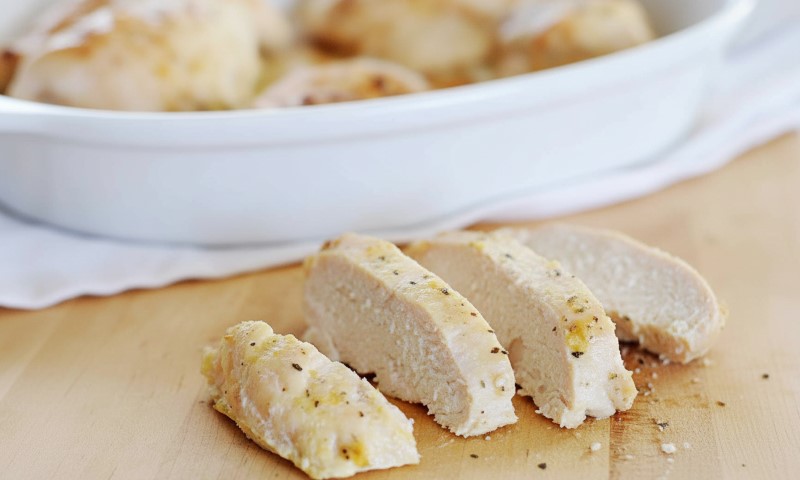
Cooked chicken often fools people into taking chances. The trust window is shorter than many assume.
Storage Time Still Rules
Cooked chicken leftovers should be used within 3 to 4 days. Day 5 means the trash, even if the smell seems normal.
Texture Changes After Cooking
Cooked chicken should feel firm and fibrous. Spoilage shows up as:
- Slimy coating
- Sticky wetness that was not present earlier
- Mushy or overly soft areas
Any of those signals justifies discarding the food.
Odor in Cooked Poultry
Spoiled cooked chicken often smells sharper than spoiled raw chicken.
Common descriptions include:
- Sour
- Rancid
- Sweet-rotten
Hesitation triggered by smell is enough reason to stop and discard.
Mold Means No Exceptions
Visible mold on cooked chicken means immediate disposal. Scraping mold does not make food safe. Mold can spread invisibly beneath the surface.
Time Rules That Matter Most
Bacteria grow rapidly between 40°F and 140°F. Respecting that range prevents most home food safety problems.
Quick Throw-Out Table
| Situation | Safe action |
| Raw or cooked chicken left out at room temperature | Discard after 2 hours |
| Chicken left out above 90°F | Discard after 1 hour |
| Raw chicken in the fridge | Use or freeze within 1 to 2 days |
| Cooked chicken leftovers | Use within 3 to 4 days |
| Freezer held at 0°F continuously | Safe indefinitely, quality declines |
Safety stays intact in the freezer as long as the temperature remains stable, but flavor and texture degrade over time.
Can Cooking Make Bad Chicken Safe?
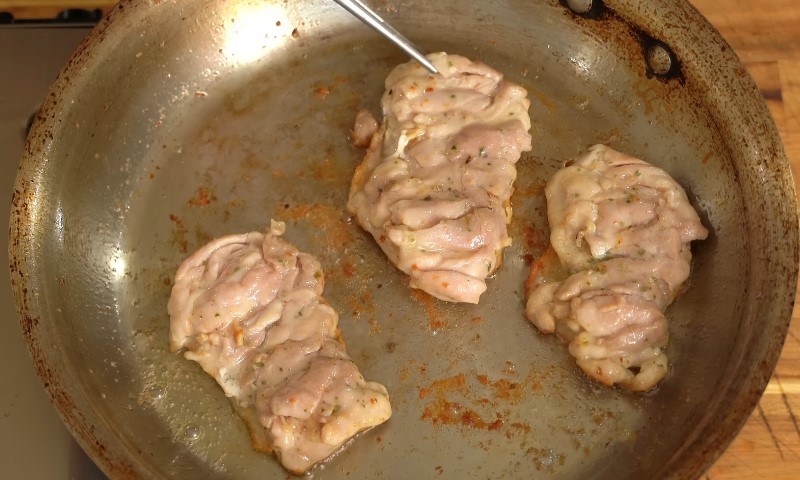
Cooking kills many pathogens when chicken reaches an internal temperature of 165°F. That fact gets misused.
Cooking does not fix:
- Chicken left too long in the danger zone
- Meat that already shows clear spoilage
- Toxins produced by bacteria during temperature abuse
Once bacteria multiply extensively, safe handling becomes unrealistic at home. Cooking also cannot reverse off-flavors or texture damage caused by spoilage.
Refrigerator Habits That Prevent Spoilage
Good refrigeration habits do more than extend shelf life. They slow bacterial growth, reduce cross-contamination, and turn chicken storage from guesswork into a routine you can trust.
Keep the Fridge Cold Enough
Refrigerators should stay at 40°F or below, freezers at 0°F or below. An appliance thermometer removes guesswork and catches problems early.
Store Raw Chicken to Prevent Leaks
Place raw chicken on the bottom shelf in a tray or rimmed plate. That placement keeps drips away from foods eaten without cooking. Cross-contamination is a major cause of illness tied to poultry handling.
Skip Rinsing Raw Chicken
Rinsing spreads bacteria through splashing, not cleanliness. Focus on handwashing, clean tools, and proper cooking instead. Avoiding cross-contamination reduces illness risk far more effectively.
Thawing Chicken Safely
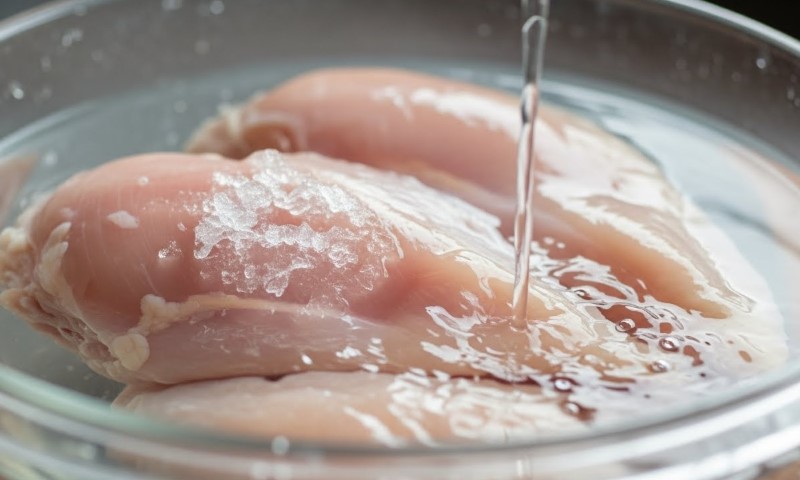
Improper thawing pushes chicken straight into the danger zone.
Safe thawing options include:
- Refrigerator thawing, which can take 1 to 2 days or longer, depending on the size
- Cold water thawing in a sealed bag with frequent water changes, followed by immediate cooking
- Microwave thawing with immediate cooking
Chicken thawed on the counter for several hours should be treated as unsafe unless you can confirm temperatures stayed below 40°F throughout the process.
Power Outages and Warm Fridge Scenarios
Power failures create uncertainty fast. Refrigerated food generally remains safe for up to 4 hours if the door stays closed. Beyond that, perishable items exposed to temperatures above 40°F for 4 hours or more should be discarded.
A practical rule works well. If temperatures were not measured and the fridge likely warmed significantly, discard raw chicken and questionable leftovers rather than guessing.
Common Myths That Cause Food Poisoning at Home
Mistakes around chicken safety rarely come from carelessness. Most come from habits passed down or advice that sounds logical but fails in real kitchens. Clearing up a few persistent myths can prevent problems before they start.
Smell Alone Proves Safety
False. Food can smell fine and still be unsafe.
Pink-Free Chicken Means Safe Cooking
Color does not reliably indicate doneness. A thermometer reading of 165°F matters more than appearance.
Leaving Cooked Chicken Out to Cool Is Harmless
Cooling should happen quickly. Leaving food out beyond 2 hours invites bacterial growth. Shallow containers help speed cooling before refrigeration.
When to Be Extra Strict
@mr.cilantro #chickenSafety #safetytips #salmonella #psa #chickenthighs #nogood #Spoiled #yuck
Higher caution matters when:
- Serving people at higher risk, including pregnant individuals, older adults, young children, and those with weakened immune systems
- Storage history feels uncertain, such as shared fridges or delayed deliveries
- Refrigerators run warm or open frequently
In those situations, conservative decisions protect health better than optimism.
If You Ate Questionable Chicken
Foodborne illness symptoms can include vomiting, diarrhea, abdominal pain, fever, and body aches. Onset varies widely, from minutes to weeks, depending on the bacteria involved.
Seek medical care for:
- High fever
- Signs of dehydration
- Blood in stool
- Symptoms lasting multiple days
Chicken belongs on the table often, but safety depends on respect for time, temperature, and clear warning signs. When doubt appears, discarding food costs less than gambling with health.