
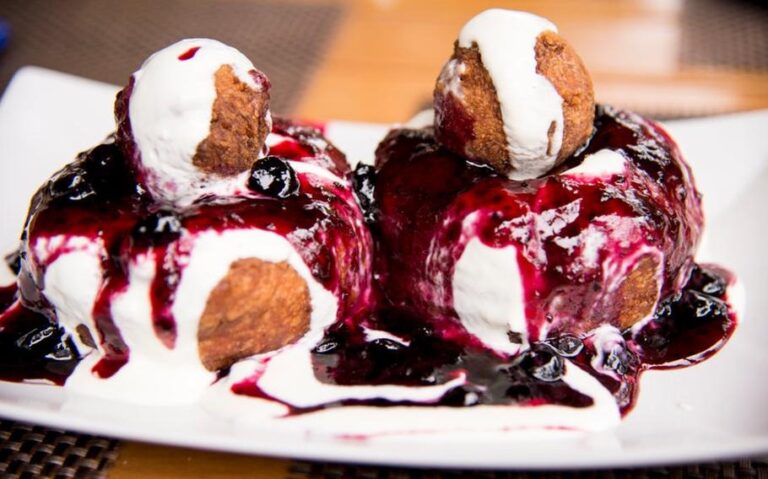
If you walk into one of the cozy, locally-loved restaurants in town, with warm wooden tables, the faint clink of cutlery, and the inviting scent of something sweet frying in the kitchen, you may find on the dessert menu an offering simply called Papanasi.
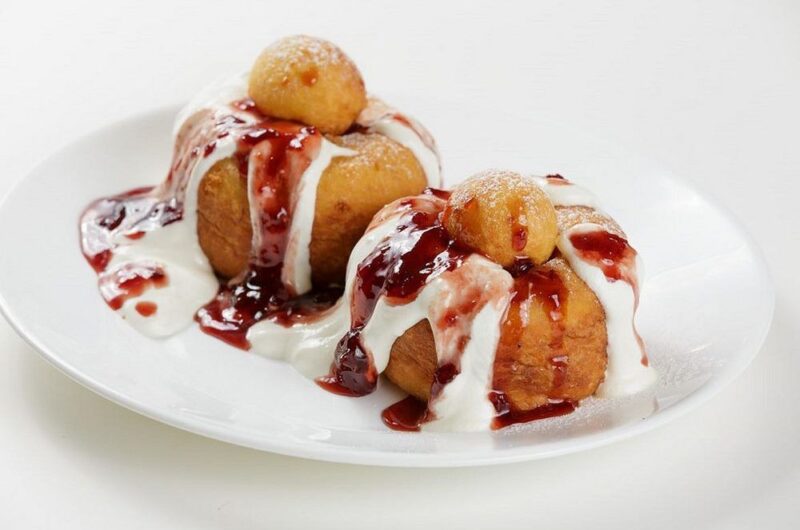
When it arrives, steaming and golden, topped generously with cool sour cream and a swirl of deep berry jam, you know you’re in for something special.
Papanasi, a traditional Romanian treat, is at once humble and decadent, a nostalgic taste of countryside kitchens elevated to restaurant-quality indulgence.
Below is how Papanasi is made, served, and savored, and why it deserves a place among your top comfort-food memories and why you often see it in the best restaurants in town and even among the top restaurants in town.
What Makes Papanasi Different From Other Doughnuts
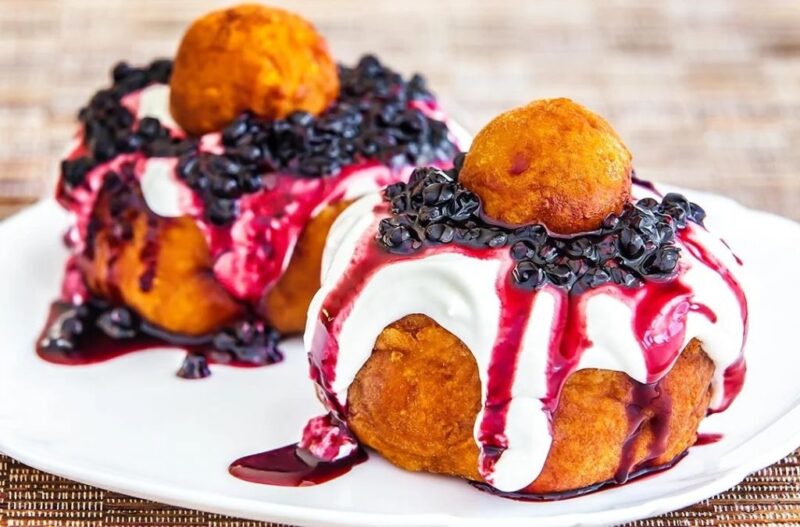
Many people outside the region assume papanasi is just another doughnut. It is not. The foundation of papanasi is fresh cheese, not yeast dough.
This changes everything about the structure, moisture, and flavor.
Instead of the airy bread-like crumb of a standard doughnut, papanasi has a soft, slightly creamy interior that stays moist even after frying.
The outside forms a thin, crisp shell. When paired with cold sour cream and jam, the temperature contrast becomes part of the experience.
Here is a simple breakdown of what makes papanasi structurally different:
| Feature | Papanasi | Regular Doughnut |
| Base ingredient | Fresh cheese | Yeast or cake batter |
| Interior texture | Soft, creamy, tender | Bready or cakey |
| Exterior | Thin crisp crust | Thick fried crust |
| Typical topping | Sour cream and berry jam | Sugar glaze, icing |
| Flavor balance | Sweet, tangy, milky | Mostly sweet |
This balance of sweet plus acidic plus creamy plus warm is the reason papanasi does not feel heavy the way many desserts do.
Even after a large meal, it still feels approachable.
Why Papanasi Became a Restaurant Staple
Papanasi started as a rural home dessert. It was a way to use fresh cheese, eggs, flour, and oil—ingredients every household had.
Over time, restaurants realized it had all the qualities of a perfect menu finisher.
It is fast to prepare. It looks impressive without being complicated. The ingredient cost is low relative to perceived value. And most importantly, people remember it.
In interviews with chefs from Bucharest, Cluj, and even Vienna and Berlin, the same pattern appears. Guests may forget the main course.
They rarely forget the papanasi. This consistency is why you’ll find it not only in local taverns but also in some of the best restaurants in town and on lists of the top restaurants in town.
That is exactly why you now see it featured in traditional taverns, modern bistros, hotel restaurants, and even fine-dining reinterpretations in many cities.
The Traditional Fried Papanasi Recipe (Restaurant Standard)
This is the version most commonly served in restaurants.
| Ingredient | Standard Quantity |
| Fresh cottage cheese or urdă | 500 g |
| Eggs | 2 whole |
| Sugar | 70–80 g |
| Vanilla or lemon zest | Optional |
| Flour | 220–260 g |
| Baking soda or powder | 1 tsp |
| Vegetable oil | For frying |
| Sour cream | For topping |
| Berry jam | For topping |
How It Is Made in Professional Kitchens
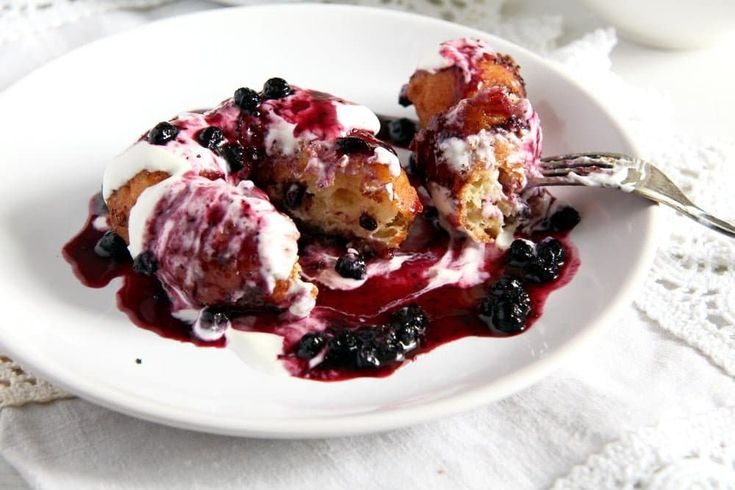
Cheese is drained aggressively. Excess moisture ruins texture. The eggs and sugar are blended into the cheese.
Flour and leavening are added slowly until the dough is soft but not dense. The chefs shape each portion by hand into a ring, with a small ball for the top. This step is visual.
Guests recognize papanasi from across the room because of this shape.
They are deep-fried in clean oil at a controlled temperature. Not rushed. Too hot and the crust browns before the inside sets.
Too cold, and the oil soaks in.
Once golden, they rest briefly. Then the plating happens immediately. Thick sour cream first. Then jam at the center or cascading over the sides.
In high-volume restaurants, the dough is prepared early in the day. Individual portions are fried to order.
That ensures every serving arrives hot, especially in the best restaurants in town, where presentation and timing matter.
Why Sour Cream and Berry Jam Are Not Optional
This pairing is not decorative. It is structural.
Sour cream provides fat and acidity. It cuts the richness of fried cheese. Berry jam provides brightness and sugar. Together, they stop the dessert from becoming monotonous.
Different regions lean toward different jams:
| Jam Type | Flavor Profile | Restaurant Preference |
| Sour cherry | Sharp, deep | Most traditional |
| Blueberry | Mild, fruity | Tourist favorite |
| Raspberry | Bright, fresh | Modern bistros |
| Forest berries | Complex | Hotel restaurants |
Without both elements, papanasi loses balance. With both, it becomes addictive and earns its place in some of the best restaurants in town.
Why Guests Order Papanasi Even When They Are Full
This is something restaurant owners talk about often. Guests who insist they cannot eat another bite will still split a papanasi.
The reason is psychological as much as physical.
Papanasi does not feel like “cake.” It feels warm, simple, comforting. The cheese base creates a savory undertone beneath the sweetness. The sour cream signals lightness even though the dish is technically indulgent.
It feels closer to comfort food than pastry. That makes it emotionally safe after a heavy meal.
The Visual Identity That Sells Itself
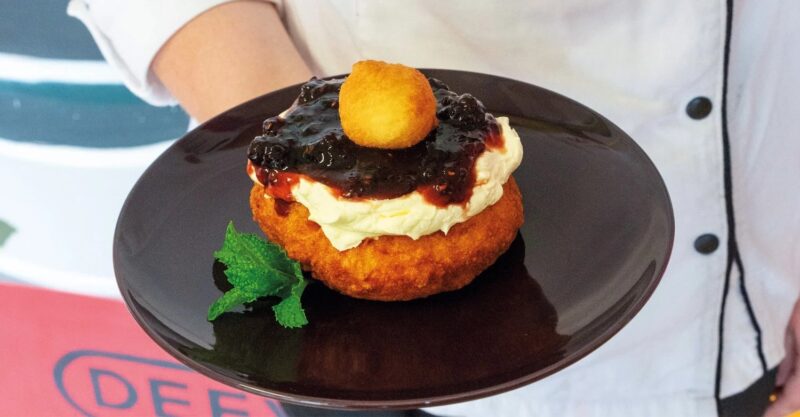
Few desserts sell across the room the way papanasi does.
Two stacked golden rings. White cream flowing. Dark jam is bleeding into the plate.
You see it passing by on another table, and you recognize it instantly. It does not need a description.
That visual signature is one of the reasons it performs so well in dining spaces that depend on ambient influence and visual suggestion, especially in the best restaurants in town.
Modern Restaurant Variations You Might See
While the classic remains dominant, many top restaurants in town now play with subtle variations without breaking the identity.
| Variation | What Changes | What Stays |
| Chocolate jam version | Berry replaced with chocolate | Sour cream stays |
| Baked papanasi | Oven instead of a fryer | Cheese dough stays |
| Mini papanasi trio | Three small servings | Toppings vary |
| Caramelized fruit | Jam replaced by fresh fruit | Cream and structure stay |
The key rule chefs follow is simple. Never lose the sour cream. Never lose the cheese interior.
Why Papanasi Is Now Appearing Outside Eastern Europe
In the last decade, Eastern European cuisine has gained quite a popularity in Western cities.
Not through mass chains, but through small chef-driven restaurants focused on authenticity.
As part of that movement, Papanasi has traveled. You now see it in:
- German regional bistros
- Austrian alpine fusion menus
- Scandinavian comfort-food concepts
- Balkan kitchens across the EU
In each case, the presentation adapts slightly. But the core remains untouched. Cheese dough. Fry. Sour cream. Jam.
What Makes Restaurant Papanasi Better Than Homemade (Most of the Time)
Home versions are wonderful. But restaurants usually outperform for three reasons:
- Oil control: Professional kitchens keep oil clean and temperature stable.
- Cheese quality: Restaurants source consistent-textured cheese. Home kitchens vary.
- Plating discipline: Presentation matters more than people expect for perceived flavor.
When all three align, papanasi becomes more than dessert.
It becomes a memory anchor, especially in the top restaurants in town.
The Emotional Role of Papanasi on a Menu
Many desserts aim to impress. Papanasi aims to comfort.
It does not promise innovation. It promises warmth. That makes it perfect for restaurants that want guests to leave feeling at ease rather than overwhelmed.
This is also why it works equally well in:
- Family restaurants
- Date-night bistros
- Traditional taverns
- Boutique hotels
Final Thought
Romanian Papanasi with sour cream and berry jam is not a trending food. It is enduring food. Its rise in the top restaurants in town and best restaurants in town category is not about marketing. It is about performance.
It satisfies guests emotionally and physically in a way that very few desserts manage consistently.
It looks beautiful. It tastes better than it looks. It carries history without feeling old. And once someone eats it in the right setting, they usually order it again wherever they see it.