

Mike Mentzer remains one of the most misunderstood figures in bodybuilding nutrition. Training always gets the spotlight, but food is where the mythology really runs wild.
One side remembers ice cream and assumes chaos. Another side hears “low protein” and jumps straight to disbelief. The truth sits in a calmer, more grounded place.
Mentzer treated diet as a practical system, like David Goggins. Calories came first. Carbohydrates fueled the work. Fat stayed controlled. Protein mattered, but he refused to worship it. He also rejected the idea that eating needed to feel like punishment or moral virtue.
His own words, examples, and food lists paint a picture that feels surprisingly modern in mindset, even when some numbers reflect the era he lived in.
What follows is a clear breakdown of how Mike Mentzer approached calories, macros, food choices, and daily eating. Every number stays intact. Every concept gets a real-world framing. No hype, no shortcuts.
Why Mike Mentzer’s Diet Gets Misquoted
Most confusion comes from fragments. Someone hears about ice cream near contest time. Someone else hears about modest protein intake. Pulled out of context, those details sound reckless. Inside the full structure, they make sense.
Mentzer did not leave behind a year-round food log. What exists instead are three solid sources of insight: direct excerpts from Heavy Duty Nutrition, a “typical day” example shared by the official legacy custodians of his work, and seminar transcript excerpts published in Iron Man Magazine. Taken together, they form a consistent pattern rather than random anecdotes.
The pattern matters more than any single meal.
Mentzer’s Core Nutrition Philosophy
Mentzer framed diet as a budgeting problem. Calories were the governing variable. Macros existed to serve that budget, not override it. In Heavy Duty Nutrition , he places total caloric intake ahead of any macro discussion, then explains how to divide intake afterward.
During a 1981 seminar, he went further. He warned against obsessive rule-making and endless hair-splitting around food combinations. His advice was direct:
- Eat a variety of recognizable foods
- Do not overeat
- Train hard
- Simplify unless complexity brings genuine enjoyment
That attitude shaped everything else he wrote and practiced.
The Mentzer Macro Split
Mentzer recommended a macro distribution grounded in mainstream nutrition guidance of his time:
- 60% carbohydrates
- 25% protein
- 15% fat
Carbohydrates sat at the center on purpose. He viewed them as the most direct fuel for intense muscular work, not as an aesthetic threat.
What That Split Looks Like in Numbers
Using the 60/25/15 framework, daily intake breaks down as follows:
| Daily Calories | Carbs (60%) | Protein (25%) | Fat (15%) |
| 2,000 | 300 g | 125 g | 33 g |
| 2,500 | 375 g | 156 g | 42 g |
| 3,000 | 450 g | 188 g | 50 g |
Conversions use 4 kcal per gram for carbohydrates and protein, and 9 kcal per gram for fat. Mentzer used examples like these to illustrate structure, not to dictate identical intake for every lifter.
Food Groups Over Food Rules
Mentzer preferred broad food groups instead of rigid food lists. He laid out a simple four-group framework with daily serving targets:
Cereals and Grain Foods
- About 4 servings per day
- Common examples included bran muffins and whole-grain toast
Fruits and Vegetables
- At least 4 servings per day
- Potatoes counted here
High-Protein Foods
- Fish, meat, eggs, poultry, beans, nuts, peas
- 2 or more servings per day
- A standard meat serving measured around 3.5 oz
Milk Group
- Milk and cheese
- 2 servings per day
- Preference for skim or low-fat when intake climbed, due to calorie density and saturated fat content
His approach encouraged recognizable food, portion awareness, and calorie control without turning meals into a chemistry project.
What Mike Mentzer Ate Daily
The most concrete eating example comes from a “typical day” description shared by the official Mike Mentzer legacy site. It reflects eating near contest condition and totals roughly 2,000 calories based on estimated calculations from the listed foods.
A Typical Day of Eating
Here’s a sample:
Breakfast
- Bran muffins with butter
- Seven-grain toast
- Figs
- Coffee
Post-Workout
- Milk-and-egg protein drink
- Pineapple
- Grapes
Lunch
- Baked potato
- Additional fruit
Dinner
- Chicken breasts
- Salad
- Corn on the cob
- Ice cream
That final item tends to dominate conversations, but it carried a specific message rather than shock value.
Why the Ice Cream Detail Matters
@mind.and.muscle100 ✅ Mike Mentzer on Diet: Can You Enjoy Sweets & Beer in Moderation? 🍺🍫 #MikeMentzer #Diet #Fitness
Ice cream served as a teaching tool. Mentzer used it to show that calorie control and carbohydrate intake mattered more than food purity.
He was not promoting daily junk food. He was showing that fat loss still happens when calories stay managed, and training intensity remains high.
The dessert existed inside a controlled intake, not outside discipline.
Calories First, Always
Mentzer’s fat-loss and mass-gain logic stayed consistent:
- Identify maintenance calories
- Create a steady deficit for fat loss
- Use a controlled surplus for gaining
- Do not allow macro ratios to distract from the calorie budget
The roughly 2,000-calorie contest example fits squarely inside that framework. Lower intake matched the goal at the time. Higher intake followed during other phases.
Carbohydrates, Glycogen, And Training Performance
Mentzer described carbohydrates as performance fuel. In Heavy Duty Nutrition , he explained that glycogen stored in muscle carries associated water weight. Rather than fearing that effect, he framed it as part of muscular fullness and training readiness.
His logic rested on practical observation. Intense training demands readily available energy. Carbohydrates supply it more efficiently than protein or fat. Weak workouts, flat muscles, and sluggish recovery often trace back to inadequate carbohydrate intake.
Fat Intake in the Mentzer Framework
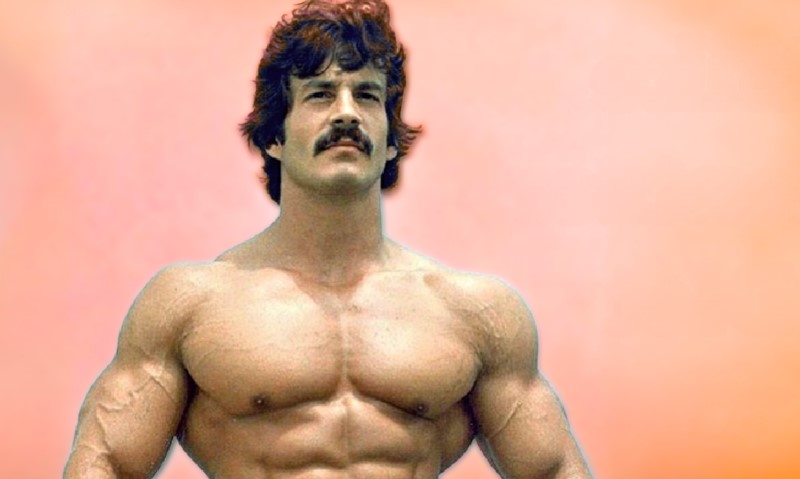
Fat sat at about 15% of daily calories. Mentzer divided fats into saturated and unsaturated categories and argued against excess rather than elimination.
His reasoning was simple:
- Fat carries 9 kcal per gram
- Intake climbs quickly without obvious volume
- Calories drift upward when fat stays unchecked
Even lifters who do not adopt the exact 15% figure can still apply the principle. Fat intake benefits from deliberate control.
Protein Is Where Mentzer Sparked the Most Debate
Mentzer pushed back hard against the extreme protein culture of bodybuilding during his era. In contest-prep contexts, his intake sometimes landed around 60 to 70 g per day, based on descriptions tied to the “typical day” example and related commentary
He referenced nitrogen balance and argued that baseline protein needs were far lower than magazines suggested. His stance challenged industry marketing more than physiology itself.
Modern Evidence and Practical Context
Contemporary research supports higher protein intake for resistance-trained individuals than the general population baseline of 0.8 g per kg per day. Position stands from sports nutrition organizations commonly place effective intake between 1.4 and 2.0 g per kg per day, with lean mass gains plateauing near 1.6 g per kg for many lifters.
Mentzer lived in a different research environment. Applying his philosophy today works best when separating structure from exact numbers.
A Practical Reconciliation
A balanced approach keeps Mentzer’s priorities intact:
- Calories remain the primary control variable
- Carbohydrates stay high enough to support training quality
- Protein rises toward modern athletic ranges when training volume, dieting intensity, or age increases
That preserves his logic without forcing outdated extremes.
A Mentzer-Inspired Day of Eating, Updated

The following template reflects Mentzer’s structure while aligning protein intake with modern evidence. It is not his personal plan.
Example target
- 2,500 calories
- About 160 g protein
- Carbohydrates as the primary fuel
- Moderate fat
Breakfast
- Oats or whole-grain toast
- Fruit
- Eggs or Greek yogurt
Post-Training
- Milk-based shake or yogurt
- Fruit
Lunch
- Potatoes or rice
- Lean protein
- Vegetables
Dinner
- Poultry or fish
- Vegetables
- Corn or another starchy carbohydrate
- An optional dessert that fits calories
Supplements and Vitamins
Mentzer’s supplement stance stayed conservative:
- Vitamins and minerals matter, but required amounts remain small relative to macros
- A general multivitamin can cover gaps when diet quality slips
- Megadosing offers no advantage and carries risks, especially with fat-soluble vitamins
Food did the heavy lifting. Supplements filled narrow gaps.
What Mike Mentzer’s Diet Actually Teaches
Strip away internet noise and one message stands clear.
- Calories control outcomes
- Carbohydrates support hard training
- Simple food-group structure beats constant micromanagement
- Famous foods served teaching purposes, not indulgent permission
- Protein intake benefits from modern adjustment without abandoning his framework
Mentzer’s diet was never about rebellion. It was about clarity, efficiency, and refusing to turn eating into a belief system.